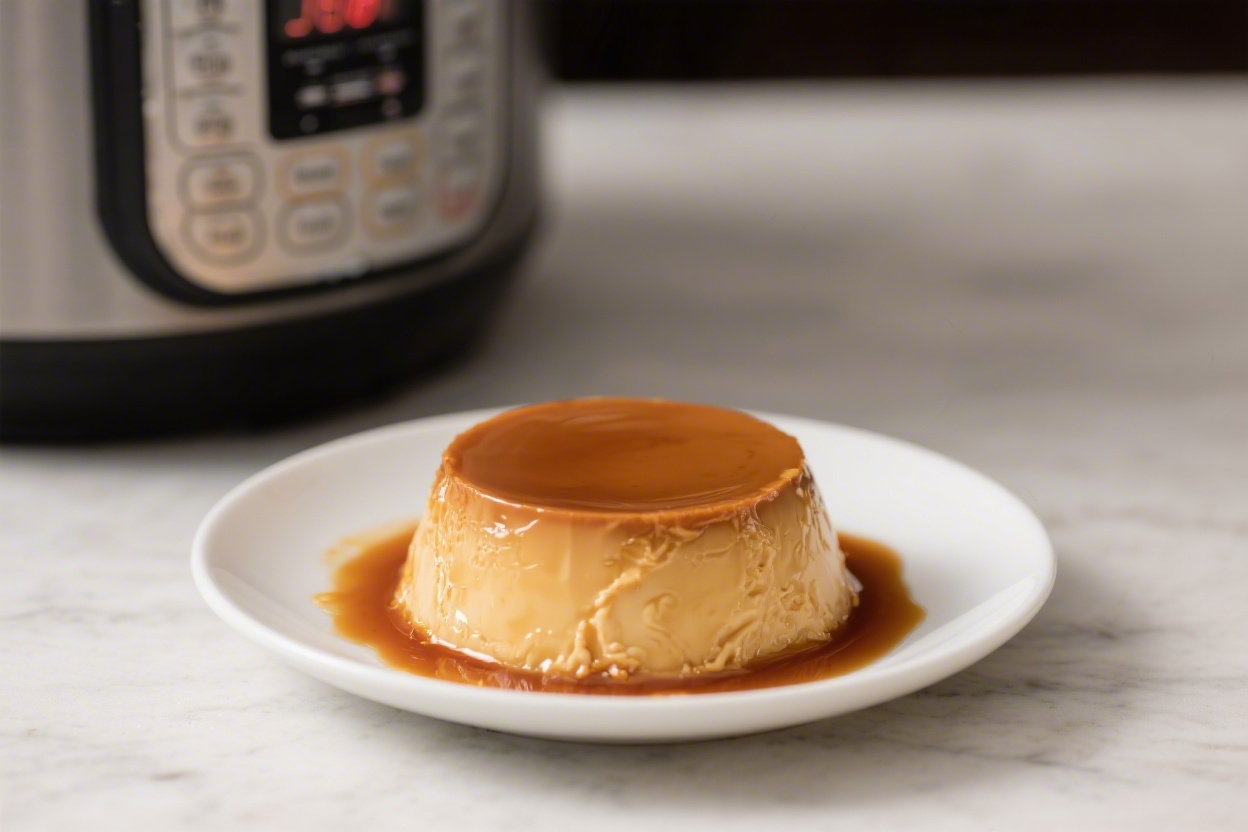
Velvety Caramel Flan That Never Splits – Foolproof, Silky, and Fast
Skip the water bath guesswork and the oven hot spots, this pressure cooker flan turns out silky-smooth every time. No curdling, no cracks, no rubbery bites. Just a creamy custard capped with glossy caramel that slides onto your plate like a dream.
The best part? It’s faster than the oven and surprisingly simple. If you’ve ever been intimidated by flan, this is the fail-safe method that finally makes it easy.
Why This Recipe Works
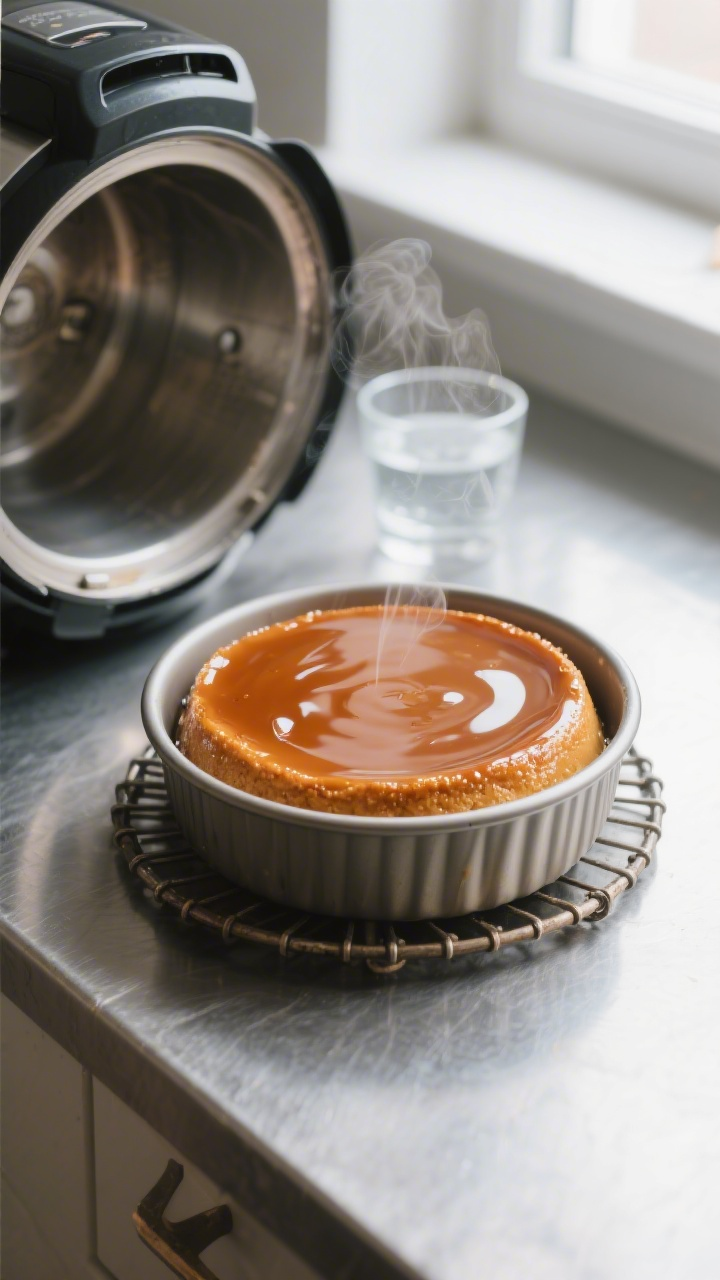
This method controls heat and moisture in a way the oven can’t.
The pressure cooker creates a gentle, consistent cooking environment that keeps the custard from overheating and splitting. A low-pressure, short cook followed by a full natural release protects those delicate egg proteins. We also strain the custard and warm the dairy slightly to prevent bubbles and ensure a glossy finish.
The result is silky, sliceable flan without graininess or weeping.
Ingredients
- Granulated sugar (for caramel): 3/4 cup
- Water (for caramel): 2 tablespoons
- Sweetened condensed milk: 1 can (14 ounces)
- Evaporated milk: 1 can (12 ounces)
- Whole milk: 1/2 cup (for extra silkiness)
- Large eggs: 4
- Vanilla extract: 2 teaspoons
- Fine salt: 1/8 teaspoon
- Optional flavor twist: 1–2 teaspoons dark rum or brandy, or 1 teaspoon orange zest
- Neutral oil or butter (a dab, to grease the mold)
- Equipment: 6–7 inch round cake pan or 1–1.5 quart flan mold, foil; trivet; pressure cooker with at least 1 cup water; fine-mesh strainer
Instructions
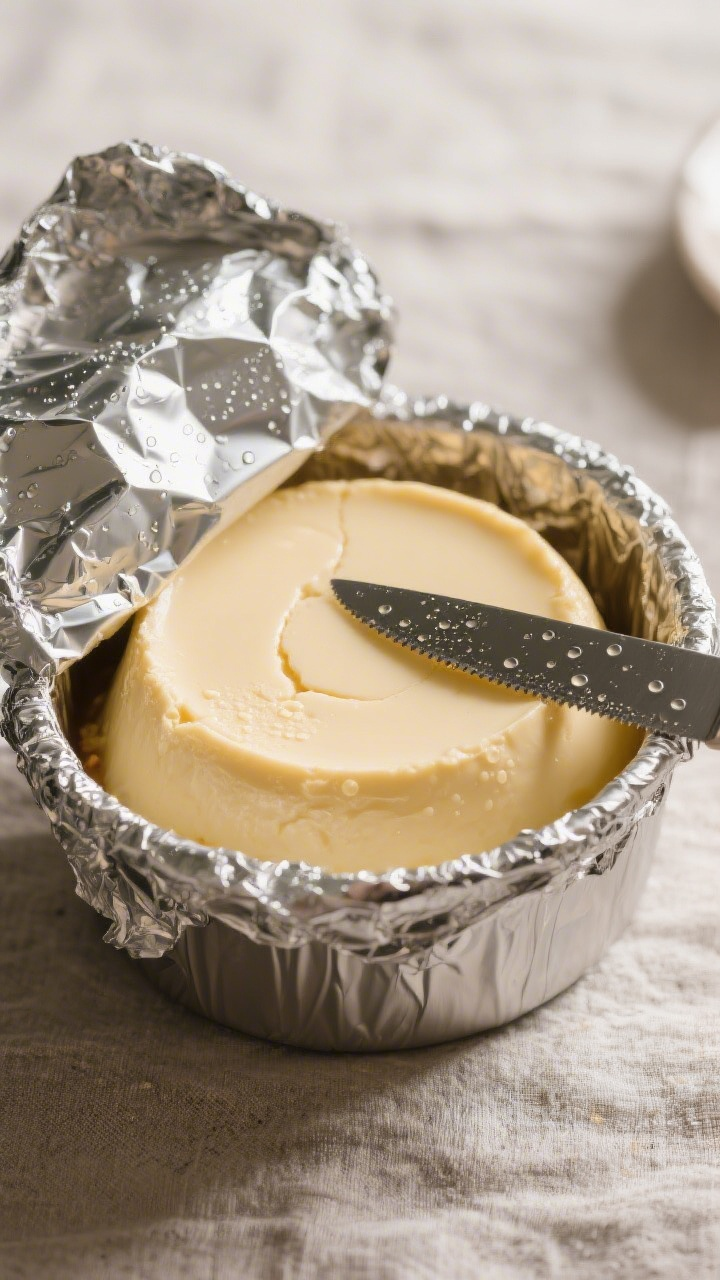
- Prep the mold: Lightly grease your pan or flan mold. Set aside. Place a trivet inside your pressure cooker and add 1 cup of water (check your cooker’s minimum requirement).
- Make the caramel: In a small saucepan, combine 3/4 cup sugar and 2 tablespoons water.Cook over medium heat, swirling occasionally, until the syrup turns a deep amber, 6–10 minutes. Don’t stir once it starts boiling—swirl instead to prevent crystallization.
- Line the mold: Immediately pour the caramel into the mold and tilt to coat the bottom evenly. Set aside to cool and harden. If it firms quickly, that’s good—it will melt again during cooking.
- Warm the dairy: In a saucepan, gently warm evaporated milk and whole milk until just lukewarm (not hot).This helps the sugar dissolve and reduces bubbles. Remove from heat.
- Make the custard: In a bowl, whisk eggs, sweetened condensed milk, vanilla, and salt until smooth. Whisk gently to avoid excess foam. Slowly whisk in the warm milk mixture.If using rum or zest, add now.
- Strain for silkiness: Pour the custard through a fine-mesh strainer into a pitcher or large measuring cup. This removes chalazae and burst bubbles for an ultra-smooth texture.
- Fill the mold: Pour custard over the solid caramel. Skim any surface bubbles with a spoon.Cover the mold tightly with foil to prevent water droplets from dripping in.
- Pressure cook: Place the mold on the trivet. Seal the cooker. Cook on LOW pressure for 10 minutes (or HIGH pressure for 6 minutes if your cooker doesn’t have low).This gentle timing avoids overcooking.
- Natural release: Let the pressure naturally release fully—about 10–15 minutes. Don’t quick-release; that sudden change can cause the custard to puff and split.
- Check doneness: The center should jiggle like gelatin, not slosh. A thin knife inserted near the edge should come out mostly clean.If it’s too loose, re-cover and cook 1–2 minutes more with another full natural release.
- Cool gradually: Remove the mold and cool on a rack until barely warm, about 45–60 minutes. Then chill, covered, for at least 4 hours, preferably overnight. This is when the custard fully sets and the caramel liquefies.
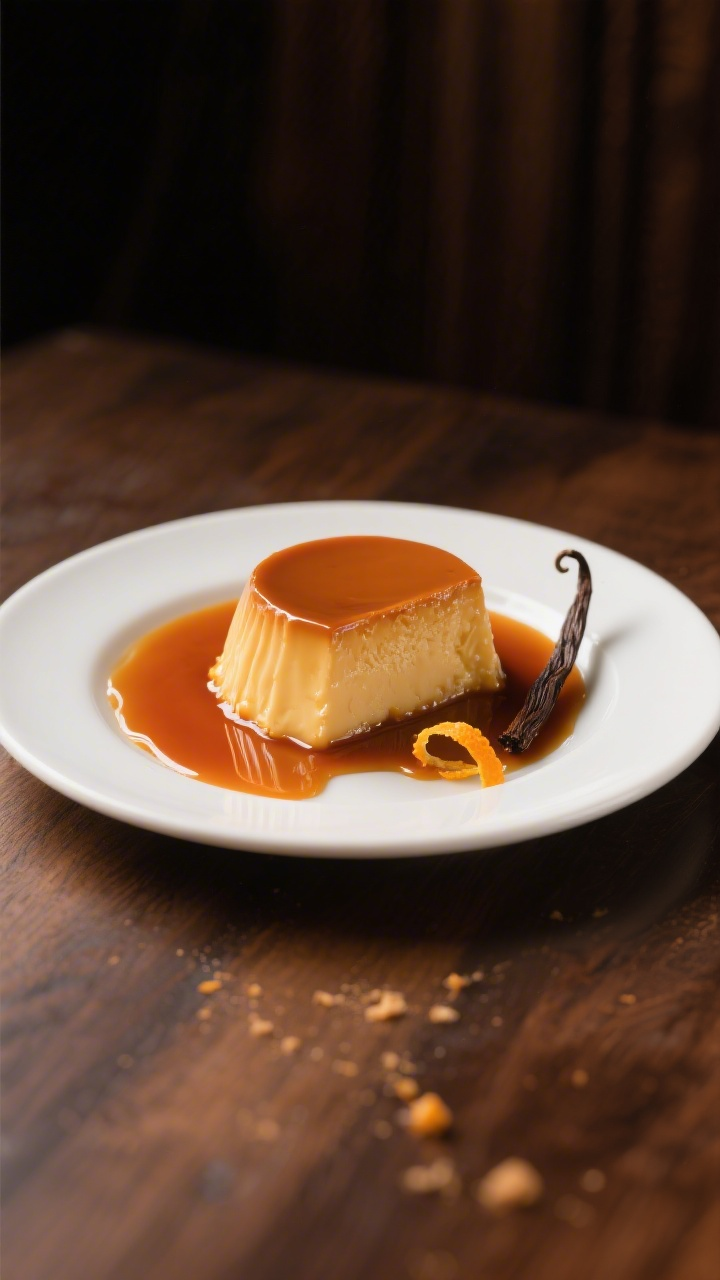
- Unmold: Run a thin knife around the edge.Place a rimmed plate over the mold and invert. Tap gently to release. The caramel sauce will cascade over the flan.
How to Store
- Refrigerate: Keep covered in the fridge for up to 4 days.The flavor improves on day two.
- Individual slices: Store in lidded containers with a spoonful of caramel to keep edges moist.
- Do not freeze: Freezing can cause a grainy, weepy texture once thawed.
Health Benefits
Flan is an indulgence, but it does offer a few upsides. Eggs provide high-quality protein, choline for brain health, and fat-soluble vitamins. Milk contributes calcium and vitamin D (if fortified).
Because this recipe is rich, a modest portion satisfies cravings, making it easier to enjoy dessert without overdoing it. You can lighten it slightly with reduced-fat evaporated milk, though the texture will be a touch less lush.
Pitfalls to Watch Out For
- Overcooking: Rubberiness and bubbles mean it went too long or at too high a pressure. Stick to low pressure and natural release.
- Boiling custard base: If the milk is too hot when added to eggs, you’ll scramble them.Warm, not hot, is key.
- Crystallized caramel: Stirring as it boils or sugar on the pan walls can seed crystals. Use a clean pan, avoid stirring, and swirl gently.
- Water intrusion: Loose foil or an uncovered mold lets condensation drip in and pit the surface. Seal tightly.
- Rushing the chill: Cutting before it’s fully cold leads to messy slices and weak structure.
Alternatives
- Dairy swaps: Use coconut milk (1 can full-fat) plus 1 cup dairy-free milk in place of evaporated and whole milk for a coconut flan.Texture will be slightly softer.
- Sweetener tweaks: The caramel needs sugar, but you can reduce overall sweetness by replacing the 1/2 cup whole milk with unsweetened almond milk. Avoid artificial sweeteners in the custard—they can affect set and flavor.
- Flavor add-ins: Infuse warm milk with a cinnamon stick, citrus peels, or a split vanilla bean. Steep 15 minutes, then strain before mixing.
- Portion size: Make individual flans in 6–8 ounce ramekins.Cook at low pressure for 6–7 minutes with a full natural release.
- Caramel shortcut: If caramel intimidates, melt 1/2 cup store-bought caramel sauce with 1 tablespoon water and pour into the mold. The flavor is milder but it works.
FAQ
Can I make this without sweetened condensed milk?
Yes, but it changes flavor and texture. Replace condensed milk with 1 3/4 cups whole milk and 1/2 cup sugar whisked into the custard, then cook as directed.
It will be less dense and a touch less sweet.
My flan has tiny bubbles inside. What went wrong?
That’s a sign of overcooking or cooking at too high a pressure. Next time, use low pressure, keep cook time short, and let it naturally release fully.
Also whisk gently and strain to minimize bubbles going in.
What size pan works best?
A 6–7 inch round pan or 1–1.5 quart mold fits most 6-quart pressure cookers. For 8-quart cookers, you can go up to 8 inches as long as it fits on the trivet with room for steam circulation.
How do I know when the caramel is done?
Look for a deep amber color and a whiff of bitterness to balance the sweetness. Too pale and it will taste sugary; too dark and it will lean bitter.
Pull it slightly before your ideal shade since it darkens off heat.
Can I use low-fat milk?
You can, but expect a looser set and less creamy mouthfeel. Evaporated milk and whole milk give the signature velvety texture. If you must lighten it, keep the condensed milk and swap only the added whole milk.
Why is natural release so important?
Natural release lets pressure and temperature drop gradually.
Quick release can cause the custard to boil, puff, and split, or create tunnels. Patience here pays off in a flawless texture.
How long should I chill it?
At least 4 hours, but overnight is best. Chilling fully sets the custard and allows the caramel to dissolve, making unmolding clean and the sauce more generous.
Can I double the recipe?
Not in one mold.
Instead, make two separate molds and cook them sequentially. Overfilling a single pan will lead to uneven cooking and a soupy center.
Final Thoughts
Flan doesn’t need to be fussy. With a pressure cooker, a gentle cook, and a patient chill, you’ll get a velvety, glossy custard every time—no cracks, no curdling, and no stress.
Keep the technique, tweak the flavors, and make it your signature dessert. Once you see how reliable it is, this “never-splits” flan will be your go-to sweet finish for any occasion.
Printable Recipe Card
Want just the essential recipe details without scrolling through the article? Get our printable recipe card with just the ingredients and instructions.