The Smart Way How to Avoid Pressure Cooker Accidents
Published on February 17, 2026 at 02:25 PM
Pressure cookers cook fast, save energy, and make you feel like a kitchen wizard. They can also turn dinner into a chaotic steam volcano if you don’t respect the rules. Want to dodge pressure cooker accidents and keep your eyebrows intact? Let’s walk through the smart, simple stuff that prevents pressure cooker explosions and ruined dinners.
Know Your Cooker (Seriously, Read the Manual)
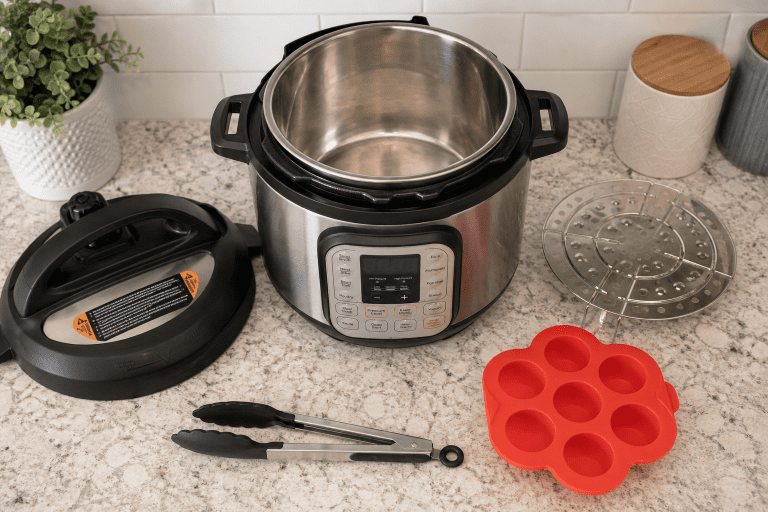
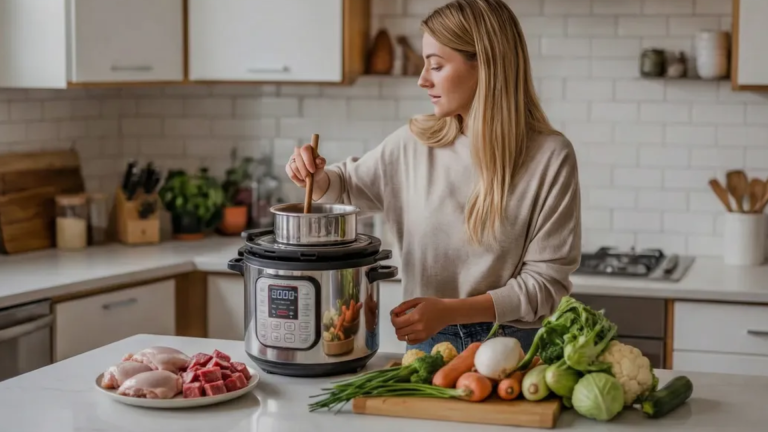
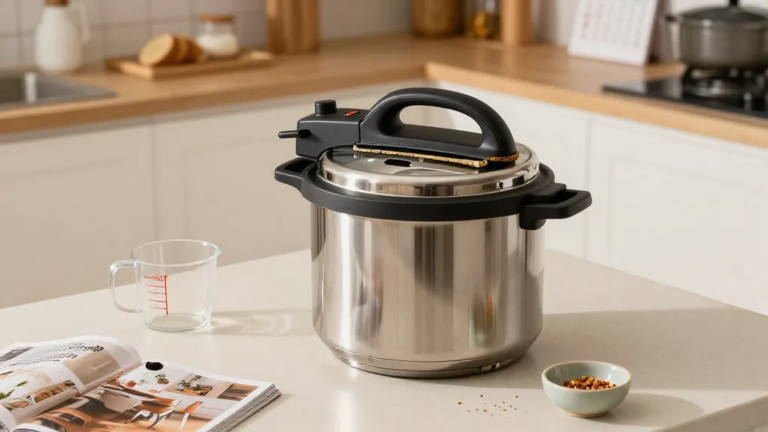
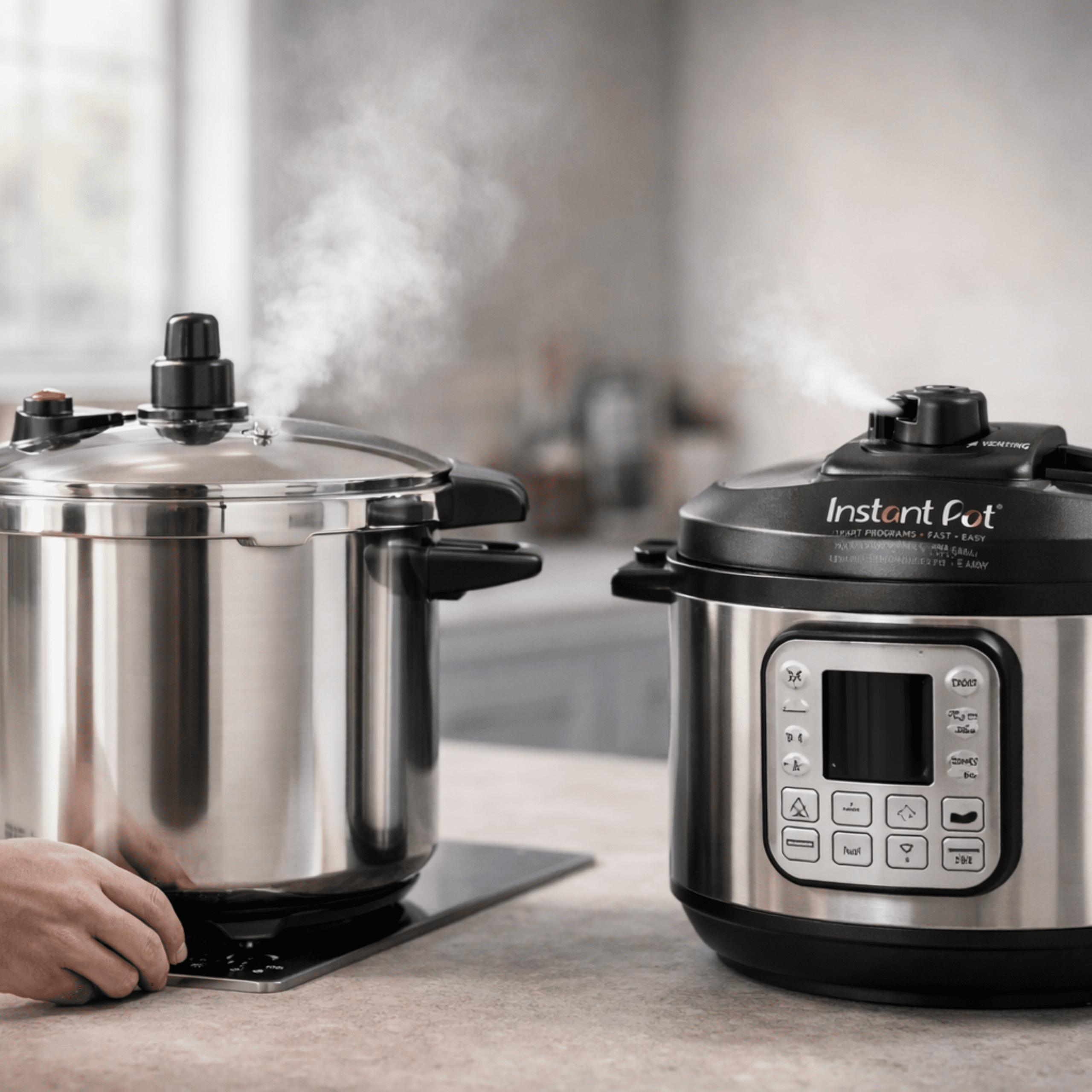
You’ve got options: stovetop pressure cookers and the electric pressure cooker (hello, Instant Pot). Both build steam pressure to raise the boiling point of water (and other liquids), which speeds up the cooking process. But they manage high pressure differently.
Why the Model Matters
– Modern pressure cookers include multiple safety features: safety valve, pressure release valve, float valve, and pressure sensors. Learn where they are and how they behave. – Stovetop models demand more attention to heat levels. – Electric models handle heat automatically, but you still need proper setup and enough liquid. IMO, your manual is the best three-page thriller you’ll read this week.
Set Yourself Up for Zero Drama
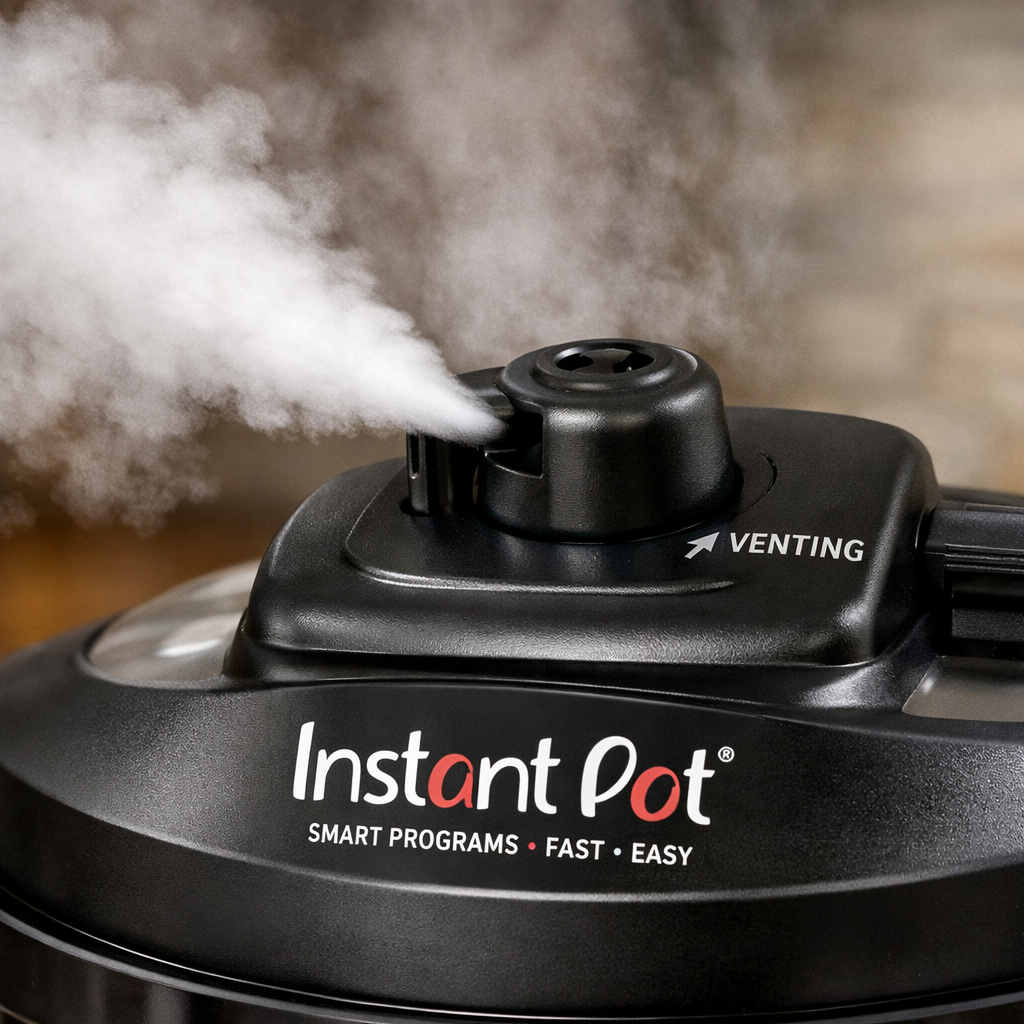
Let’s prevent excessive pressure and serious injuries before they become a headline.
Do These Every Time
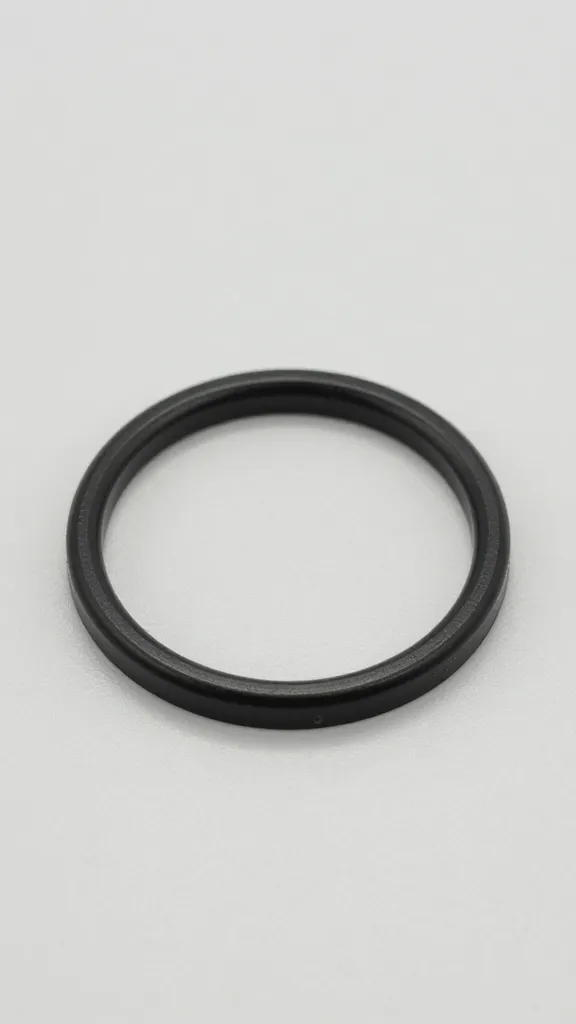
- Check the sealing parts: Inspect the rubber gasket (aka sealing ring) for cracks, warping, or food residue. Faulty gaskets and inadequate lid seals cause leaks and excess pressure.
- Clear the vent: Make sure the steam vent and pressure valve/pressure release valve don’t have food particles stuck in them. Lentils love to hide there.
- Add enough liquid: You need at least a cup of liquid (check your model). No liquid = no enough steam = scorching and pressure issues.
- Don’t overfill: Stick to max fill lines. Foods that foam (beans, grains) should never go near the max line.
- Use a small amount of oil only. Too much oil alters the boiling point of liquids and can create flare-ups or clog vents.
FYI: If the float valve doesn’t rise, you likely don’t have a good seal, or you don’t have enough liquid. Stop and troubleshoot.
During the Cook: Manage Heat and Pressure Like a Pro
Controlling heat equals controlling pressure. Simple as that.
Stovetop? Watch the Flame
– Start high to build pressure, then reduce to maintain gentle rocking or the target indicator. – Too hot for too long creates excess pressure, which stresses safety mechanisms and can lead to leaks.
Electric? Trust but Verify
– Set the correct program and time. – If you get repeated “burn” warnings, you might not have enough liquid, or you’ve got thick sauces causing hotspots. Add liquid, deglaze, and try again. Pro tip: Deglaze the pot after sautéing. Stuck bits trigger burn warnings and mess with the pressure build.
Release Pressure Safely (This Is Where People Mess Up)
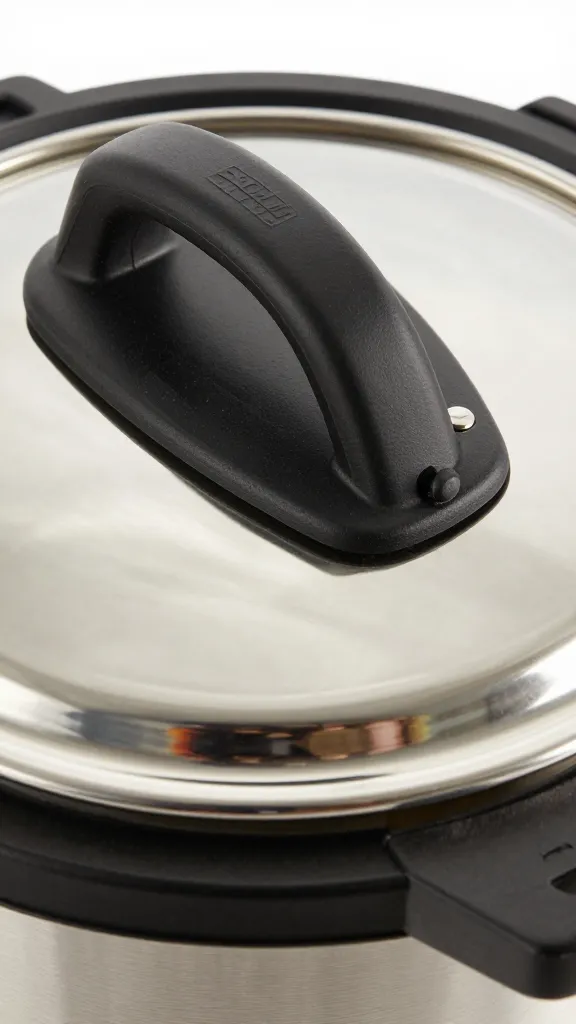
Releases come in two flavors: natural release (wait it out) and quick release (flip the valve). Use the right one to avoid steam burns and geysers of hot liquids.
Natural vs. Quick Release
– Natural release: Best for soups, braises, beans, and anything that foams. It reduces bubbling, so you won’t vent stew onto your ceiling. – Quick release: Works for veggies or delicate foods. Tilt the valve with a utensil and keep hands/face away from the steam stream. Never force the lid open. If the float valve still stands, the pot still holds pressure. Be patient unless you like second-degree burn stories. Never do this: Blasting cold water over a hot cooker to drop pressure. That temperature shock can warp parts and create leaks later, IMO a terrible habit.
Cleanliness = Safety
Clogs cause many pressure cooker accidents. Keep the airway clear and the sealing parts happy.
After Each Cook
- Remove and wash the rubber gasket/sealing ring. Food smells and oil degrade it over time.
- Clean the lid, including the steam vent, pressure valve, and any anti-block shield. Look for stubborn food residue or food particles.
- Check the safety valve moves freely and isn’t gunked up.
- Do regular maintenance: replace gaskets yearly (or sooner if stretched), and keep spare rings on hand.
Warning: Old, stretched rings + foamy foods = leaks and potentially excess pressure events.
Spot the Red Flags Before You Start
Not every cooker deserves a place in your kitchen. Some are just bad news.
Check Condition and Design
– Ensure good condition: no warped lids, dents at the rim, or cracks. – Verify safety features work: pressure sensors, float valve, safety valve. – Be wary of faulty wiring on electrics. Flickering displays or random shutoffs = retire it. – Some pressure cooker manufacturers had recalls for defective pressure cookers and design flaws. Quick search your model and “recall” if you bought it used or “last year” during that huge sale. Potential dangers increase with off-brand models with poor manufacturing. Buy from reputable brands with strong parts support.
When Things Go Sideways: Safety First
If you see steam shooting from the sides, smell scorching, or hear weird rattling, treat it like a tiny dragon having a tantrum.
Emergency Steps
- Turn off heat or unplug immediately.
- Move pets and people away. Avoid hovering—steam burns happen fast.
- Do not touch the lid. Let pressure drop naturally.
- When safe, check for blocked vents, damaged rings, or liquid shortages.
Safety precautions like oven mitts and long utensils help, but common sense wins. If things feel sketchy, don’t push it.
FAQ
Why do pressure cookers explode?
Usually, blockages, faulty gaskets, or inadequate lid seals trap excess pressure. Clogged vents from food particles, not enough liquid, or ignoring safety mechanisms can create dangerous buildup. Modern units include backups, but they can’t save you from every mistake.
How much liquid do I need?
Most cookers need at least a cup of liquid to generate enough steam. Some recipes need more, especially grains and beans. Check your manual and never skip liquid, even if sauces seem “liquid-y.”
Can I quick release everything?
Nope. Use natural release for foamy foods (beans, soups, grains) to prevent sputtering and scalds from hot liquids. Use quick release for veggies and delicate proteins when you want to stop cooking fast.
My cooker smells like last week’s curry. Is that a problem?
Odors signal oil in the ring. Wash or replace the sealing ring. Keep separate rings for savory and sweet if you’re picky. Smell alone won’t cause pressure cooker accidents, but a degraded ring might.
Can I use oil for browning before pressure cooking?
Yes, but keep it to a small amount of oil. Sauté, then deglaze to remove stuck bits. Too much oil can affect the boiling point of liquids and may clog vents, especially with thick sauces.
Are older stovetop models safe?
Many are, if maintained. Replace the rubber gasket, confirm the safety valve works, and don’t exceed recommended fill. If the lid or rim looks damaged, retire it. Safety beats nostalgia.
Conclusion
Respect pressure, and your cooker will be your best weeknight friend. Keep parts clean, use enough liquid, watch your release methods, and replace worn components on schedule. With a little attention and a dash of common sense, you’ll avoid pressure cooker explosions, skip the ER, and enjoy fast, flavorful meals—no drama, no burns, just dinner. FYI, that’s the kind of kitchen magic we all want.