How Long Does a Pressure Cooker Take to Preheat?
You just want dinner fast, but your pressure cooker feels like it’s stalling. How long does this thing take to preheat, anyway? Short answer: usually 5–20 minutes, but it depends on what’s inside, how much water you use, and which model you have. Stick with me and I’ll show you the real factors that control preheating time so you can stop pacing the kitchen and start eating.
What “preheating” means in pressure cooking
Preheating isn’t a special mode. It’s the ramp-up from cold to high pressure inside the pot. Your cooker heats the cooking liquid, builds steam, seals, and sends the float valve up. That’s when your official cook time starts. For electric pressure cookers (hello, Instant Pot users), you’ll press the pressure cook button on the control panel, choose your time, and wait through preheating. On a stove top model, you’ll use high heat to come up to pressure, then drop the burner to maintain it.
Typical preheating times (and why yours varies)
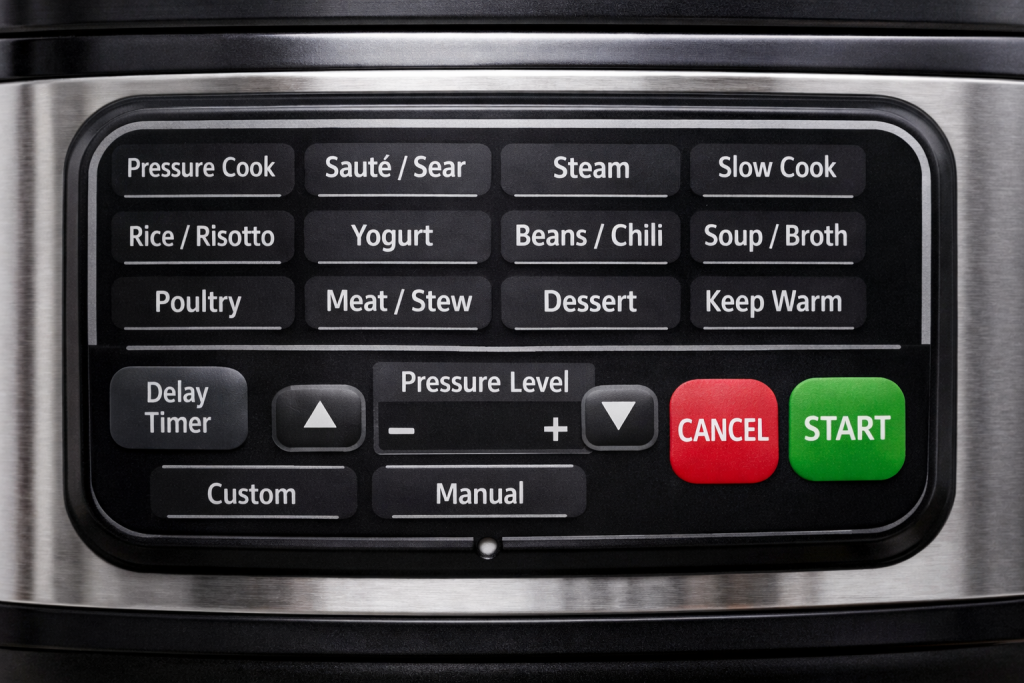
You’ll usually see:
- Electric pressure cooker (6-qt): 8–15 minutes with 1–2 cups liquid.
- Smaller Instant Pot models (3-qt): 5–10 minutes, since there’s less volume to pressurize.
- Stove top pressure cooker: 5–10 minutes because flame = faster heat transfer.
But a few things can stretch that into a long time:
- Cold water or frozen food: Colder starting temps = longer preheating. Duh, but it matters.
- Too much water: More thermal mass means slower heat-up. FYI, you only need the minimum recommended amount—usually 1 cup of water for most newer models.
- Big, dense cuts: A whole pork shoulder chills the pot. Cut into 1-inch pieces if you can for faster ramp-up.
- Altitude: Higher elevations mean lower boiling points and sometimes sluggish pressurizing.
- Model design: The heating element, software, and safety features vary. An Instant Pot Duo behaves differently than a Pro or a budget brand.
Electric vs. stove top: which heats faster?
Stove top wins on speed because the burner can blast heat instantly. However, the electric pressure cooker wins on simplicity and consistent results. IMO, for busy weeknights, that trade-off is worth it.
How the Instant Pot works during preheat
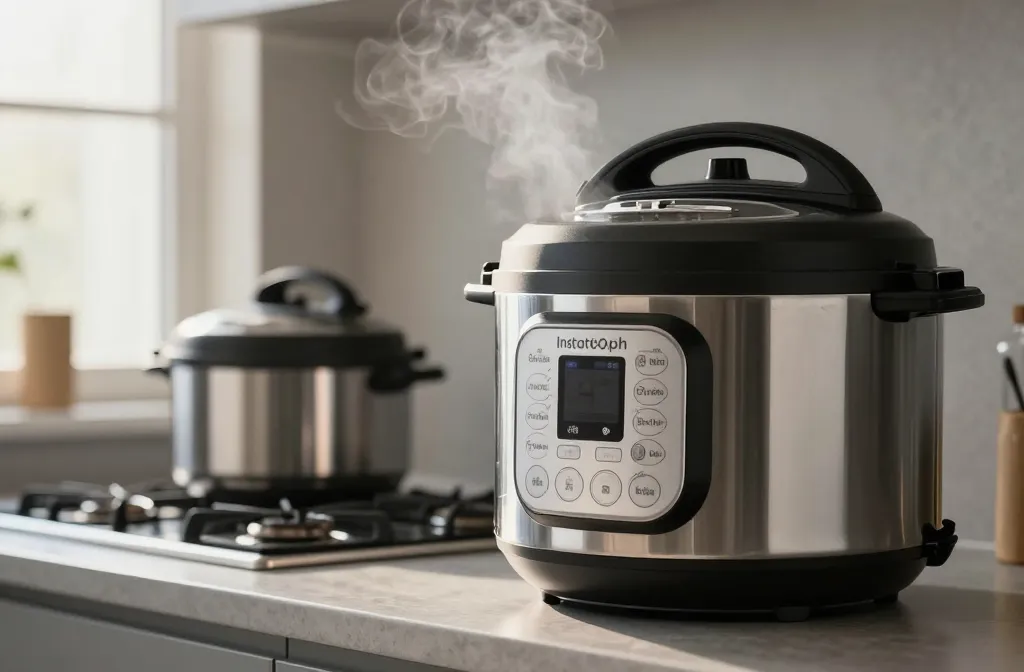
When you hit the pressure cook button, the cooker warms the inner pot (usually stainless steel and totally food grade), turns liquid into steam, and closes the system. You must set the steam release valve to the sealing position or it’ll vent like a tiny angry kettle and never seal. Once sealed, pressure climbs. When the float valve pops up, you’re at pressure, and the timer starts. That’s the moment to do your little victory dance.
First time setup tip: run a water test
Do a quick water test with 1 cup of water for your first time using the cooker. It lets you confirm the seal, the valve, and that your instant pot works. Plus, you’ll learn the typical preheating time for your kitchen without risking dinner.
7 factors that change preheating time

Here’s the cheat sheet you can actually use:
- Amount of liquid: Use just enough—most popular recipes call for 1–1.5 cups. Too much water slows everything.
- Liquid temperature: Warm broth beats cold water by a few minutes. Not required, just helpful.
- Food size: Smaller pieces heat faster. Think chunked chicken vs. whole thighs.
- Food temperature: Thawed > frozen. Frozen? Add 2–5 minutes to preheat expectations.
- Model size: Smaller Instant Pot models usually preheat faster than 8-qt giants.
- Sealing and gasket health: A worn ring leaks steam. If it smells like last week’s curry, consider replacement parts.
- Heat source: Stove top with a strong burner heats faster than an electric’s gentle ramp.
Cook time vs. total time (don’t get fooled)
Recipes list cook time, not the waiting time for pressure. Your total time = preheating + cook + natural release or quick release. That’s why pressure cooking feels “slow” when you’re hangry. It’s still usually faster than a slow cooker or slow cooking in the oven, though.
Release methods and how they affect your schedule
When the timer ends, you choose:
- Natural release (NR): Let pressure drop on its own. Great for meats, rice, and dry beans. Adds 10–25 minutes to total time. Also called natural pressure release.
- Quick release (QR): Turn the valve for a blast of steam. Speeds things up but not ideal for foamy foods. Also called quick pressure release or just quick release.
Want proof this matters? Cilantro lime rice might pressure cook for 4 minutes, but you’ll add preheat time plus a 10-minute NR for best texture. That’s still faster than stovetop rice if you’re multitasking.
Real-world examples (so you can predict better)

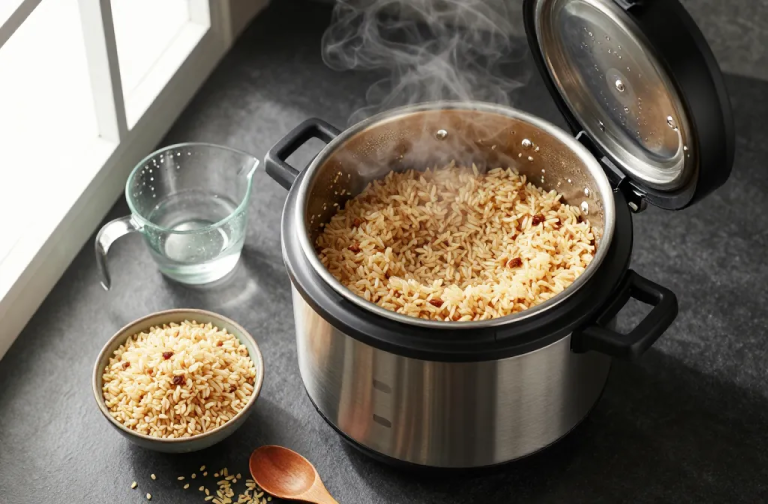
– Cooking rice: 1 cup rice + 1 cup water in a 6-qt Instant Pot Duo. Preheat: ~8–10 minutes. Cook: 4 minutes. Release: 10-minute NR. Total: roughly 22–25 minutes. – 1.5 lb pork shoulder, 1-inch pieces, with BBQ sauce: Preheat: 10–15 minutes (sauce slows heat-up a bit). Cook: 25–30 minutes. NR: 10–15 minutes for tender meat. Toss in extra bbq sauce after shredding. – Dry beans (soaked): Preheat: 10–15 minutes. Cook: 8–12 minutes depending on bean. NR: 15 minutes to avoid foam geysers. – Indian recipe with lots of aromatics: Sauté first in the inner cooking pot, then add liquid. Preheat: 8–12 minutes. Make sure enough liquid remains after sautéing.
Liquids matter more than you think
Viscous sauces (tomato puree, thick curry) slow heat transfer and can scorch. Thin them with water or broth so the pressure sensor can do its job. If your pressure gauge never shows sealing (or your float never rises), you likely need more thin liquid.
Troubleshooting slow preheating
If your cooker takes forever, run through this mini checklist:
- Is the steam release valve in sealing position?
- Is the silicone ring seated properly and not cracked? Order replacement parts if needed.
- Using enough thin liquid? Try at least 1 cup of water for a standard 6-qt.
- Is the inner pot inserted correctly and touching the heating element?
- Cooking from frozen or with cold water? Expect a longer ramp. Warm the liquid slightly if you’re in a rush.
- For stove top, start on high heat and drop once you reach pressure.
What about accessories and combo lids?
Add-ons can change heat dynamics:
- Air fryer lid: Great for crisping after pressure, but you don’t preheat pressure mode with it. You’ll use it after release for broiling vibes and to finish air fryer recipes.
- Air fryer basket: Same story—use after pressure for crisp texture.
- Use only food grade accessories that fit your model to avoid blocking sensors.
FAQ
How long should my electric pressure cooker take to preheat?
Most take 8–15 minutes with 1–2 cups of liquid. Smaller models run faster; big 8-qt pots run slower. If you’re over 20 minutes, check sealing and liquid level.
Does preheating affect the cooking time on the display?
No. The display counts down the programmed cooking time after it hits pressure. Your total time includes preheating and release, which recipes don’t always spell out (annoying, I know).
Why didn’t my float valve rise?
You probably left the valve off sealing position, used too little thin liquid, or your silicone ring needs replacing. Also check for bits of food stuck around the rim of the lid or inner pot—a tiny gap can vent steam forever.
Does the Instant Pot Duo preheat faster than other newer models?
It’s middle of the pack. Some newer models preheat slightly quicker due to stronger heaters or smarter software. But differences are small; contents and liquid matter more, IMO.
Should I use warm water to speed things up?
You can. Using warm broth instead of cold water saves a few minutes. It won’t break any safety features, and it helps on busy weeknights.
Can I pressure cook with thick sauces like BBQ sauce?
Yes, but thin it first. Thick sauces heat slowly and can scorch, delaying pressure. Add water or broth under the meat, then finish with bbq sauce after cooking for best flavor.
Conclusion
Your pressure cooker’s preheating time usually lands between 5 and 20 minutes. The big levers: amount and temp of liquid, food size, and whether your valve seals. Keep liquids thin, cut proteins into smaller pieces, and double-check the seal, and you’ll hit pressure faster. Pressure cooking still beats the slow cooker on speed—and with the right Instant Pot setup, you’ll crush dinner on autopilot, IMO.